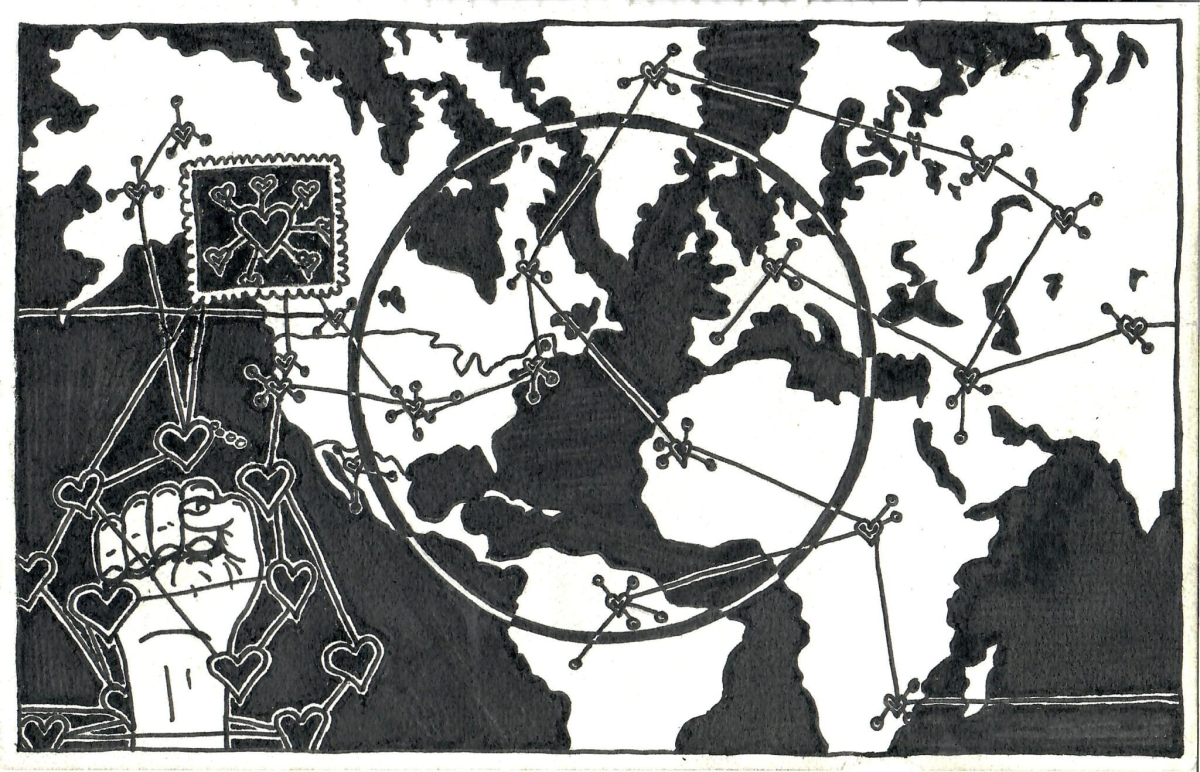
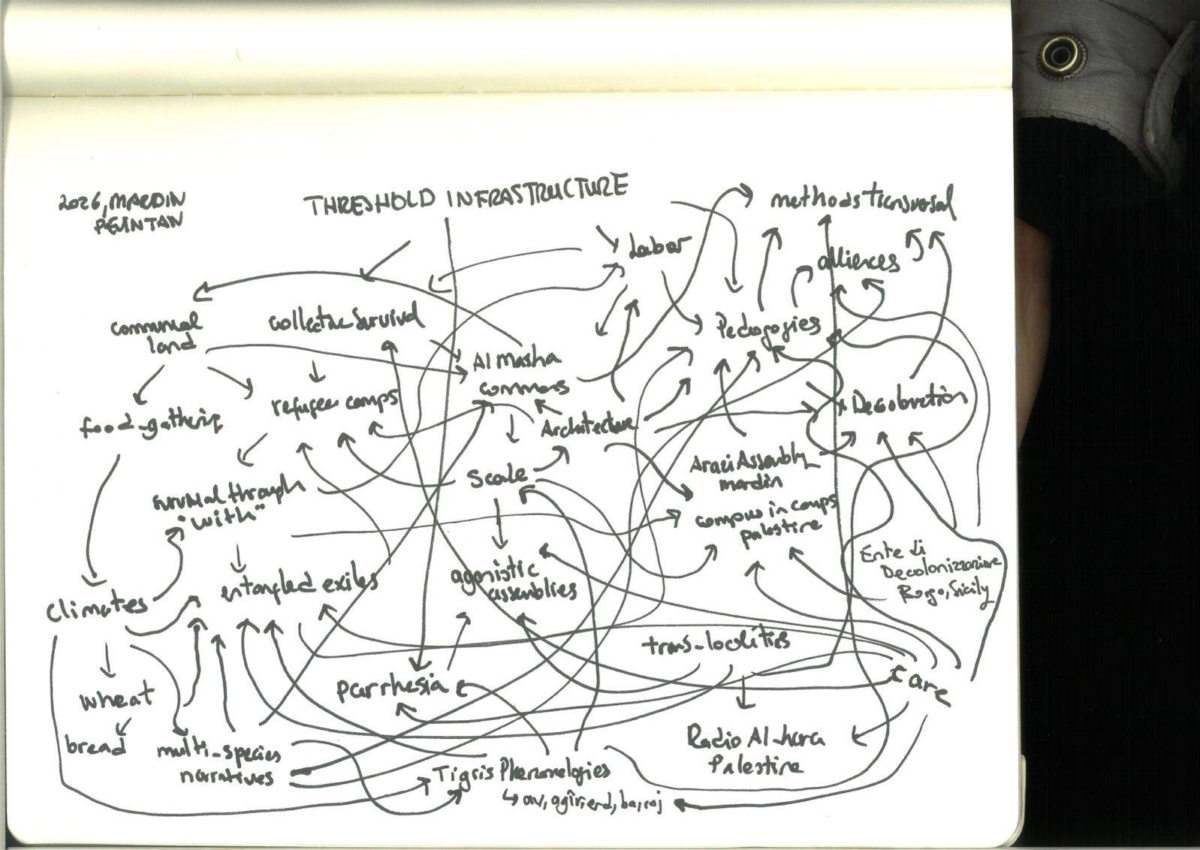
Nurturing Food Inter-structures will investigate, document, and analyse how creative practitioners and grassroot movements both shape—and are shaped by—food pathways in community kitchens of two cities: Lima in Peru and Basel in Switzerland. We ask: Could we imagine community kitchens as interdependent infrastructures for designing more just food pathways and building transnational agroecological urbanisms?
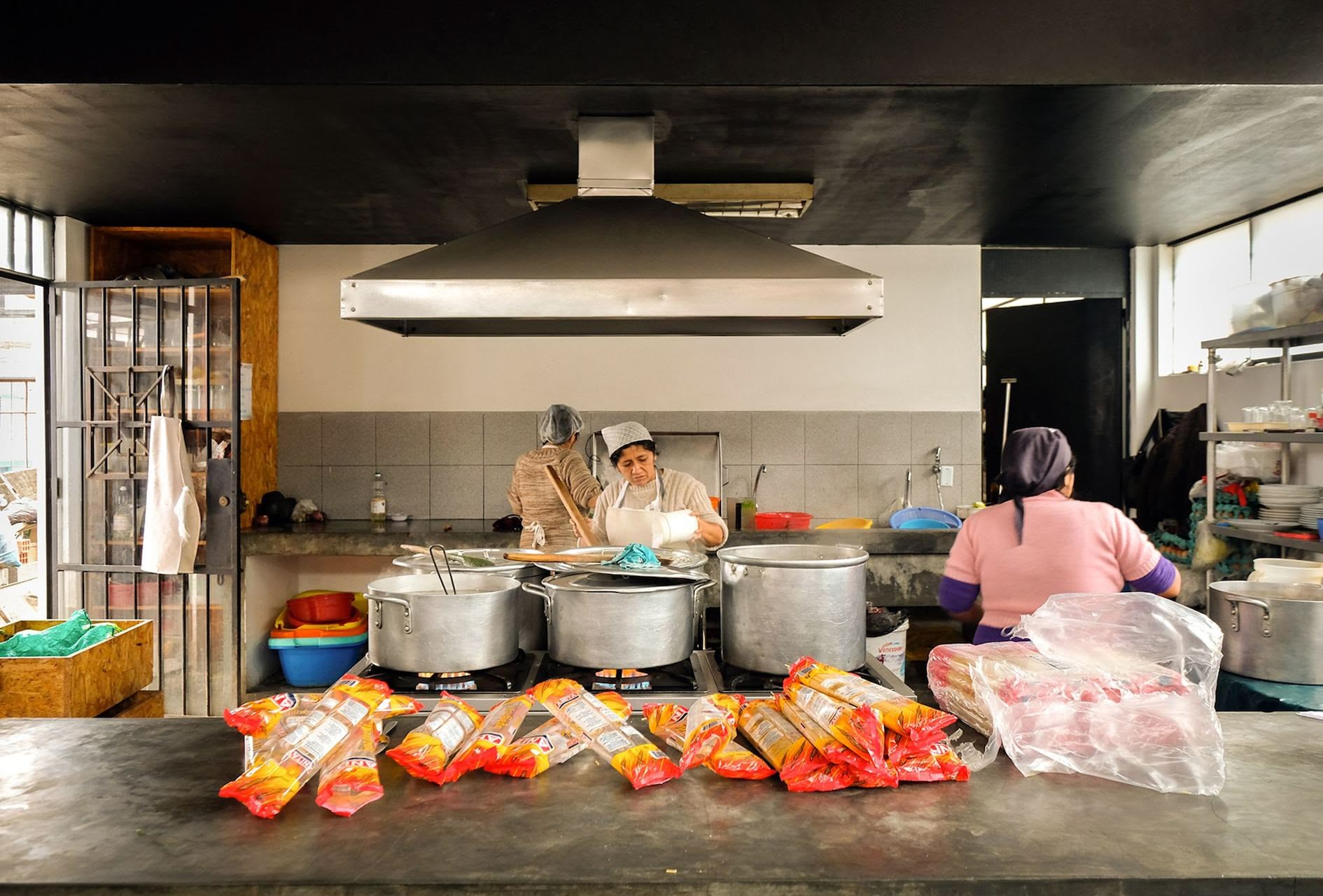
Drawing on the emerging framework of Agroecological Urbanism as proposed by Chiara Tornaghi and Michiel Dehaene, we will document how grassroots movements are shaping the socio-material imaginaries, collective cooking practices, and architectural and urban technologies for food governance in Lima and Basel. Building on intersectional, queer, and feminist approaches with our project partners, the woman-led comedores populares movement CONAMOVIDI (Lima), Queer-BIPOC agricultural collective FUBU (Basel), and the indigenous-lead institution CHIRAPAQ (Lima-Ayacucho), and based on previous research work, we will develop a participatory community kitchen typology/mapping process to document how community kitchens emerge as strategies of resistance in a context of crisis, mutual aid, care and nurturance across different scales the territories watered by the CHIRILU basin (Chillon, Rimac and Lurin rivers), in Peru and Upper Rhein river, in Switzerland.
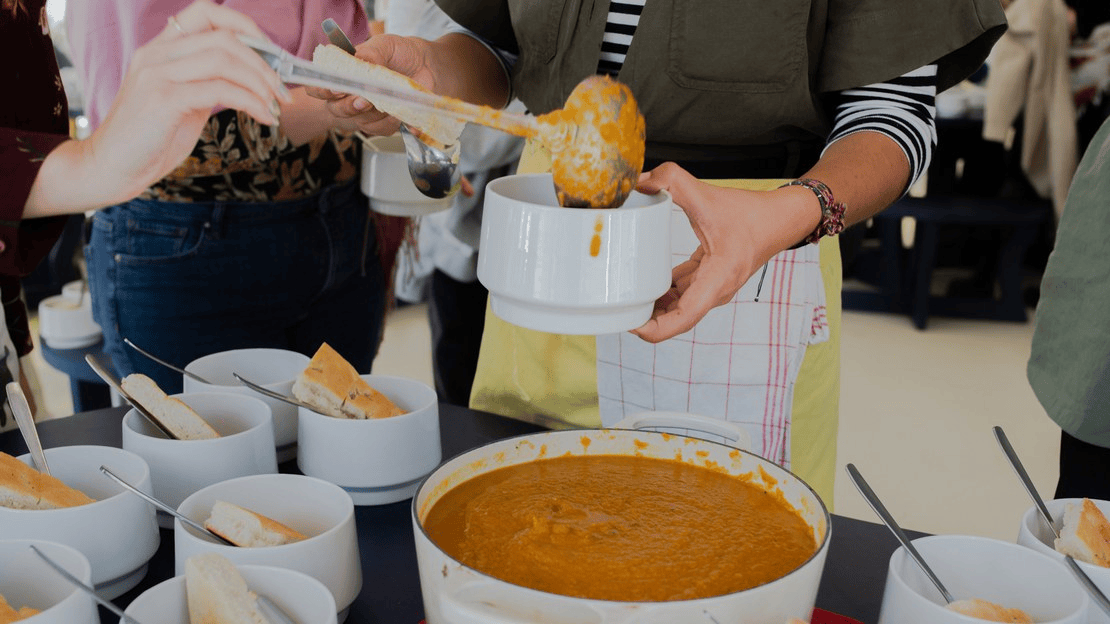
- What interdependent practices circulate, as well as challenges or conflicts of their local context, shape the development, organisation and care of community kitchen infrastructures? What community-based strategies and imaginaries are mobilised in food sovereignty and security networks?
- What creative practices, design methodologies and architecture typologies could emerge in relation to community kitchens care practices and infrastructures? How to learn with them in a situated, reciprocal, consensual and non-extractivist manner?
- What land-based collective technologies and alternative practices could be re- or un-learned in relation with community kitchens, and how do they offer alternative notions of food pathways and sustainability?
Institutional Partners
The Chair of Architecture and Care (Care.) is a research and educational project initiated by Prof. Anna Puigjaner at the Department of Architecture ETH Zürich, addressing care and architecture. The project was launched in 2023 in the Department of Architecture at ETH Zürich. At the Chair, architecture is understood as an instrument to promote forms of care that foster interdependencies among diverse individuals and social groups. Dismantling care regimes based on unevenly distributed and often invisibilized care labour, the program promotes an architecture that acknowledges the multiplicity of bodily dispositions in social space—from ageing to neurodivergence, from gender to class. The pedagogical practice at Care. has consistently developed research and design projects in the field of the community and urban kitchens.
CIAC – Center for Architecture and Urban Studies of the Pontificia Universidad Catolica del Peru (Lima, Peru) promotes a deepen the understanding of architectural and urban production through research proposals characterized by a commitment to social responsibility, as well as sustainable and integrated territorial development. It leads interdisciplinary research that creates platforms for discussion around the challenges facing architecture, cities, and territories in Peru. In this framework, the CIAC has held important projects for the community kitchens in Peru and with regional impact in Latin America and the Caribbean. Over the past four years (2021–2024), the CIAC has coordinated the Latin American and Caribbean component of the Gender Responsive Resilience and Intersectionality in Policy and Practice (GRRIPP) Project. This project has supported diverse initiatives positively impacting local communities by integrating theory, policy, and practice to promote a gender-responsive approach to urbanism and development.
Team
Associate Researchers:
- Gabriela Aquije Zegarra – Architect and Doctoral Researcher IXDM – MAKE/SENSE
- Kelly Jaime – Associate researcher – CIAC PUCP
- Cynthia Shimabukuro – Associate researcher – CIAC PUCP
- Clara Soto – Associate researcher – CIAC PUCP
Principal co-investigators (co-PI’s):
- Helen Pritchard – Research Director, HGK Basel FHNW, Institute Experimental Design and Media Cultures (IXDM)
- Marta Vilela – Director, Centro de Investigación de Arquitectura y Ciudad (CIAC) PUCP
- Anna Puigjaner – Professor, Chair of ETH Architecture and Care
- Ethel Baraona Pohl, co-founder of dpr-barcelona, Senior Researcher ETH Architecture and Care
Community Partners: